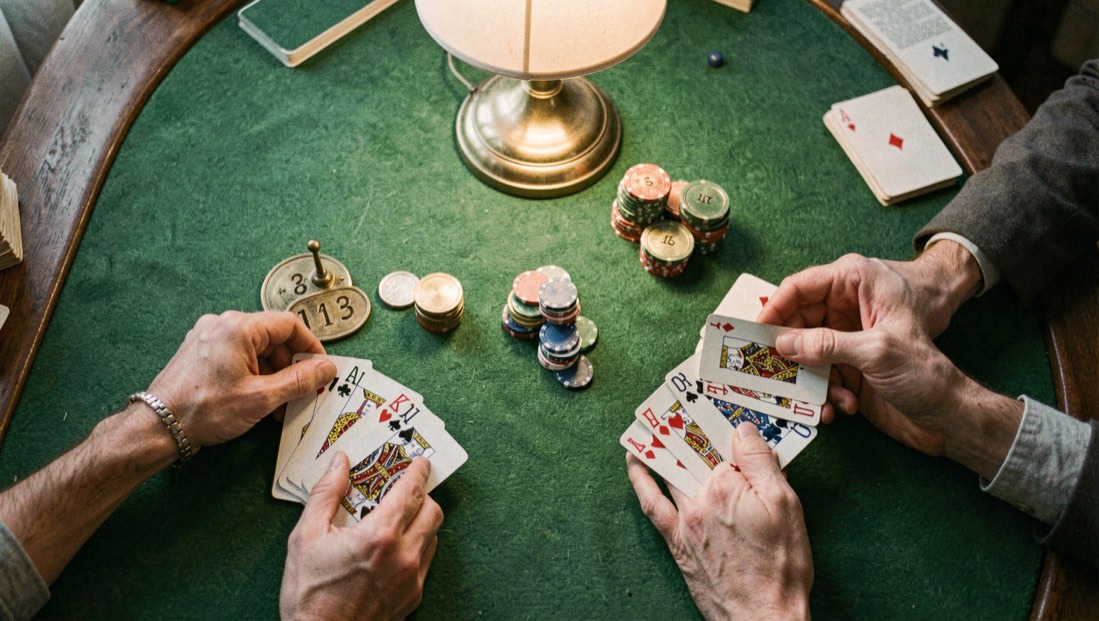
A guide to the classic American card games
The classic card games, dealt the way tournaments play them
Grand Prix Tournaments is a guide to the American card parlor: Euchre, Hearts, Pinochle, Spades, Bid Whist and Hand and Foot. Every rule explained from the deal to the last trick, every strategy argued from the cards themselves, and the formats that turn a kitchen table into a championship.
Est. 1999 · Euchre · Pinochle · Spades · Bid Whist · Hearts · Hand and Foot
01-06The six suites of the guide
Six doors in the same parlor, from the deal to the trophy.
-
01
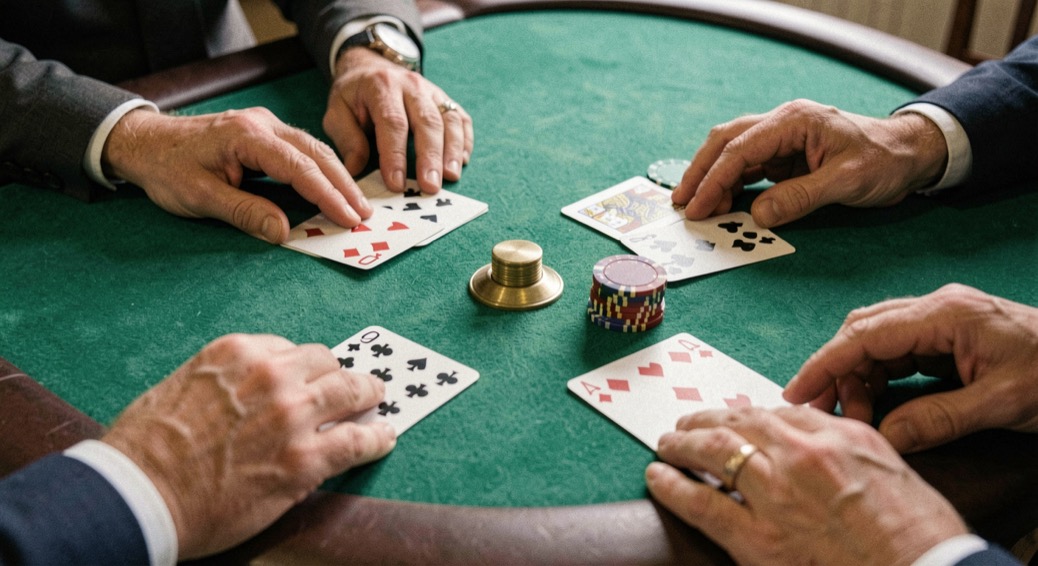
Game Rules
The deck, the deal, the bidding and the score, written so a first table can start playing in ten minutes and never stop to argue.
-
02
Strategy Guides
No lucky-story tactics: counting, positioning and the decisions that win the same hand twice.
-
03
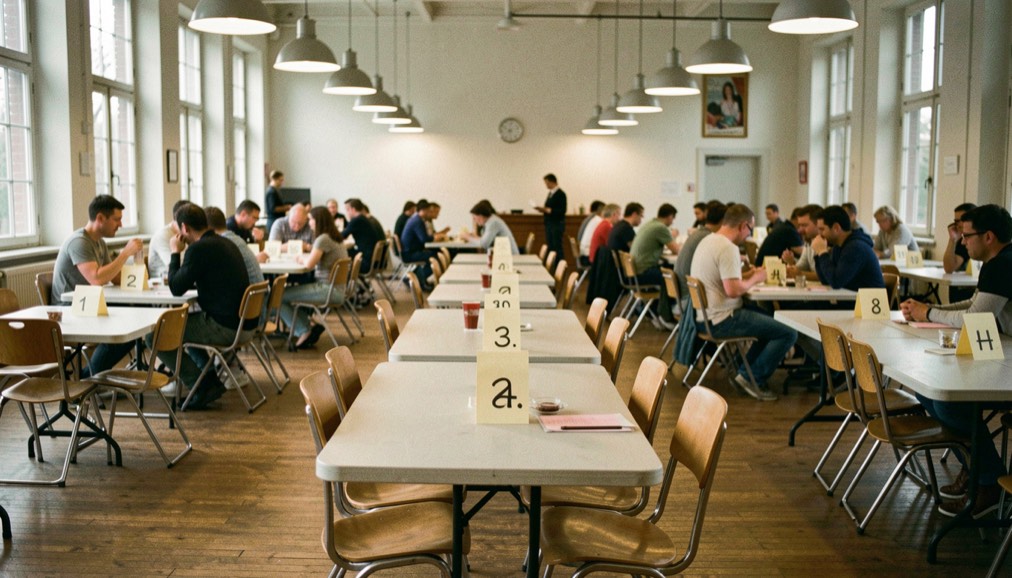
Tournament Formats
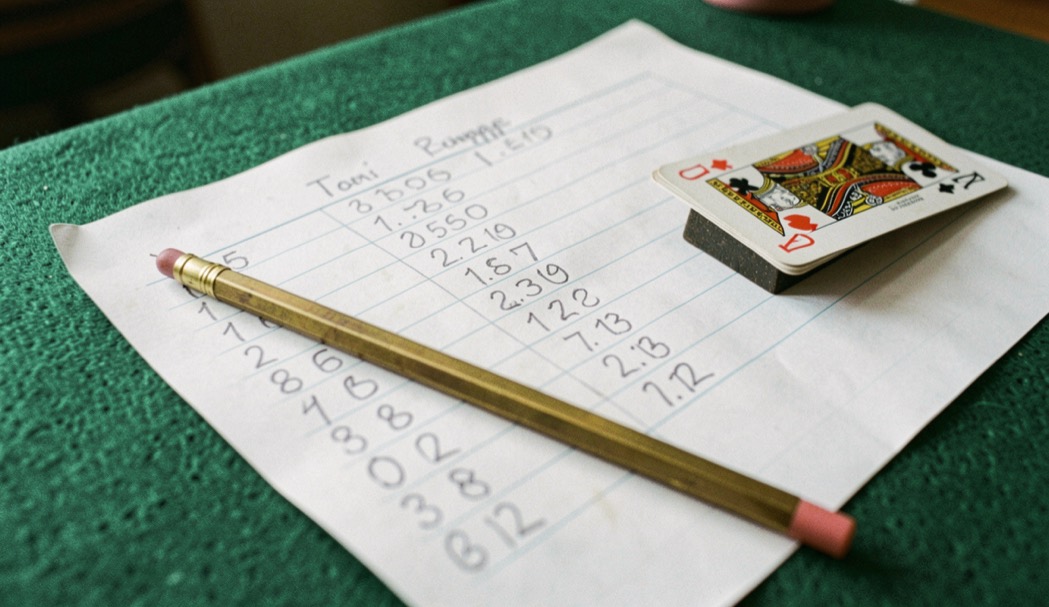
The arithmetic of a fair evening: rounds, byes, movements and the score sheets that keep forty players honest.
-
-
05
Card Game History
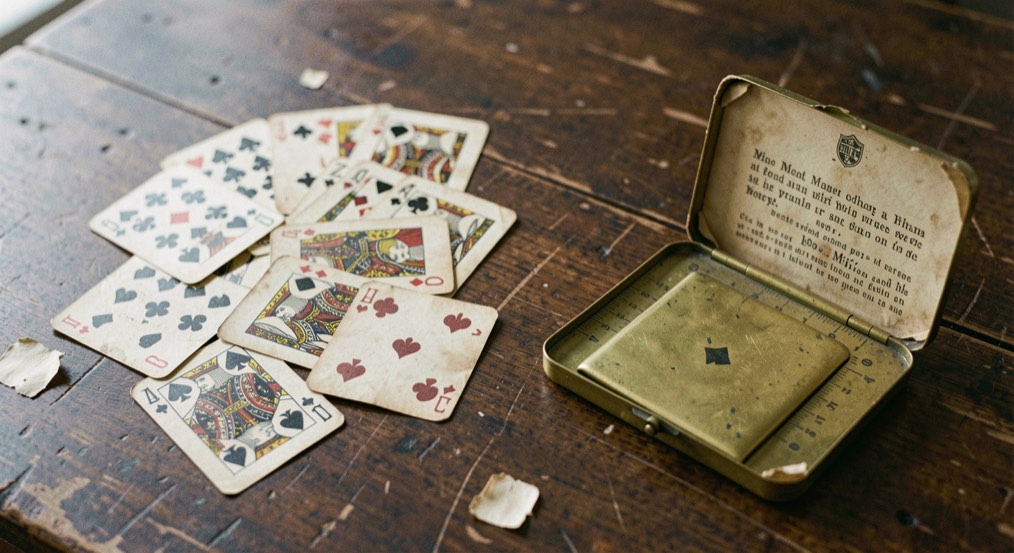
The real routes these games took, told from the published record and nothing invented.
-
06
Hosting Game Nights
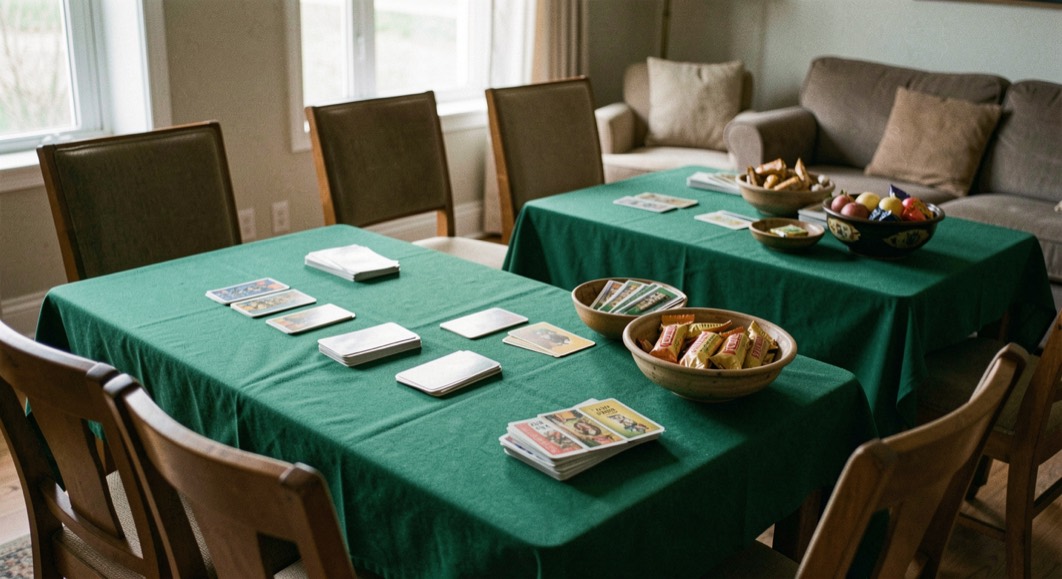
The evening is won before the first card is dealt: chairs, light, food, pace and the rematch rule.
LEDGERThe tally
Every guide we publish, dated, from all six suites of the parlor.
-
· Game Rules
Euchre rules: the 24 card game played right
Euchre is the fastest partnership trick game in the American parlor, and nearly every dispute at the table dissolves once the standard game is laid out deal by deal.
-
· Strategy Guides
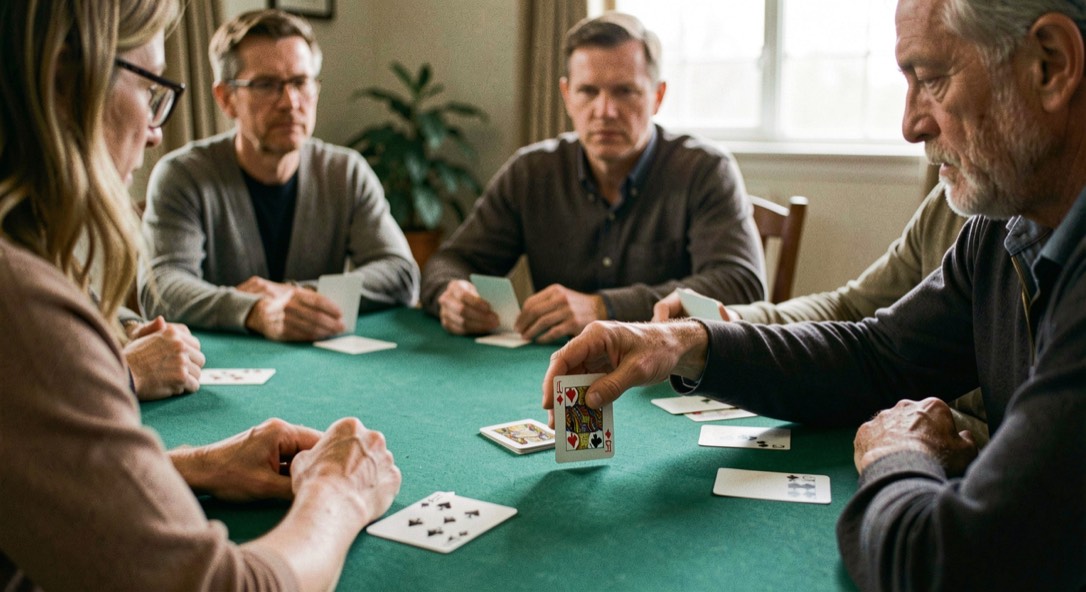
Euchre strategy: order up, or pass?
Euchre strategy is a short list of counts performed quickly: how many trumps are out, who can still have the left bower, and whether this hand pays to play alone.
-
· Tournament Formats
Card tournament brackets from 8 to 64 players
A card tournament is arithmetic before it is drama: pick the bracket that fits the field, know the round and match counts in advance, and the evening runs itself.
-
· Game Rules
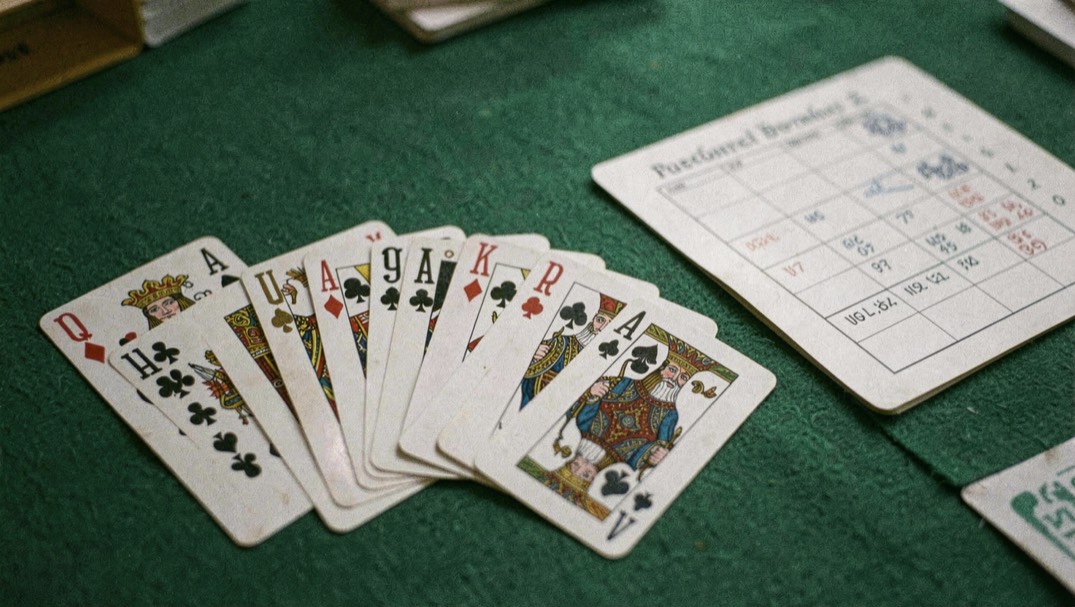
Pinochle rules: partnership auction pinochle
Pinochle looks intimidating for one round of bidding, then reveals itself as the most arithmetic-friendly game in the parlor: count meld, count tricks, make the bid.
-
· Tournament Formats
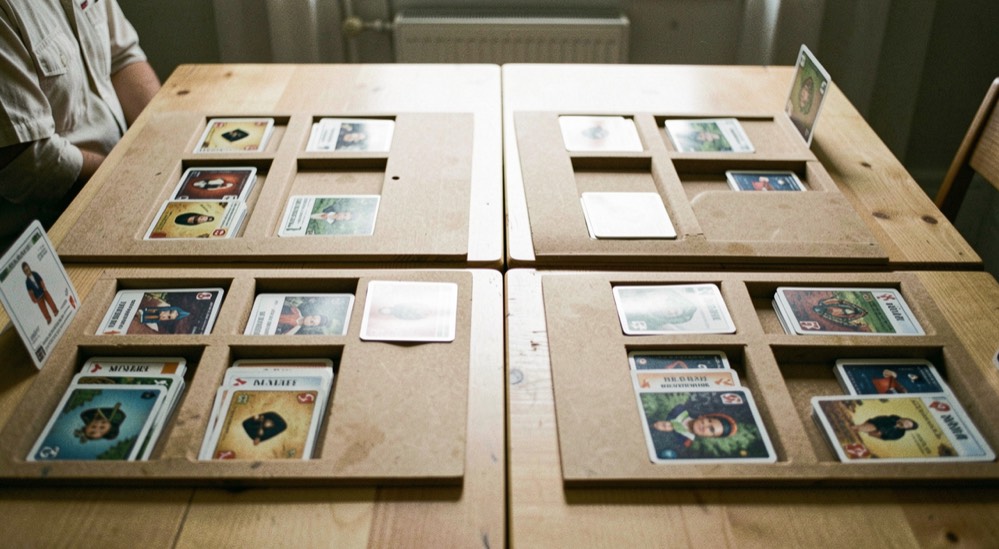
The duplicate format for party card games
Duplicate is the honest format: two tables play the same deals, and the comparison of results, not the shuffle, decides who played the cards better.
-
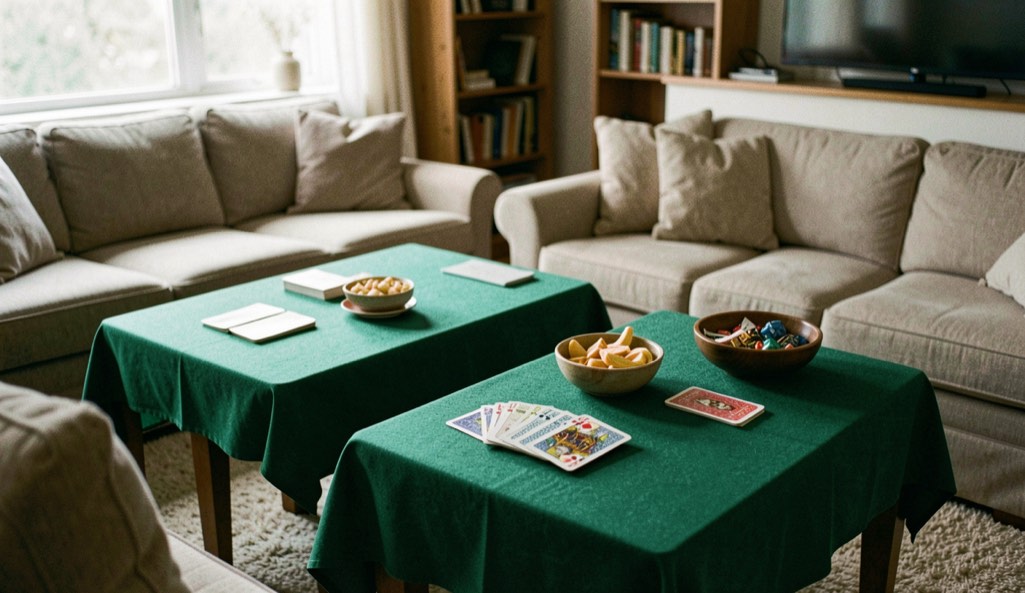
· Hosting Game Nights
How to host a classic card game night
A card night is won or lost before the first shuffle: light, tables, food, pace and one host decision that matters more than any rule, ending while the room still wants one more hand.
-
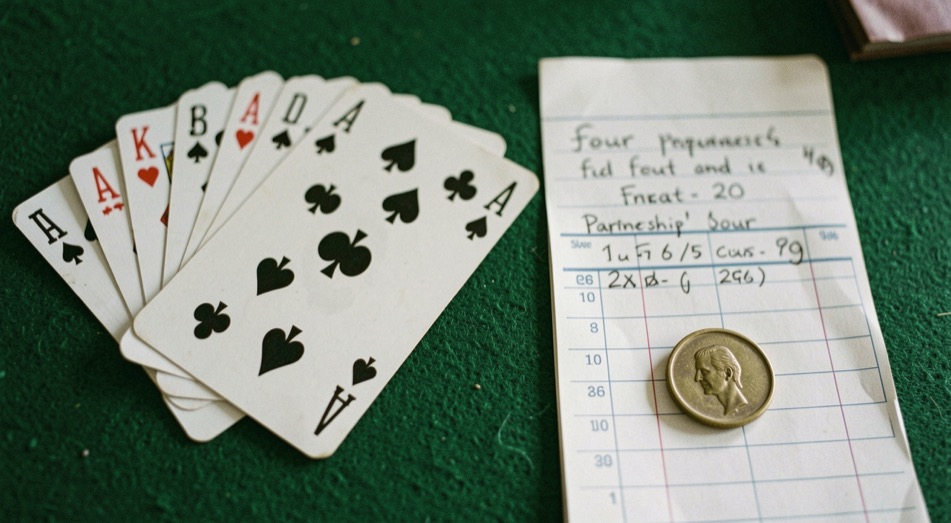
· Game Rules
Spades rules: bids, nil and bags explained
Spades is the great American partnership bid game: thirteen tricks, spades always trump, and a scoring system that punishes greed with bags as surely as it rewards nerve with nil.
-
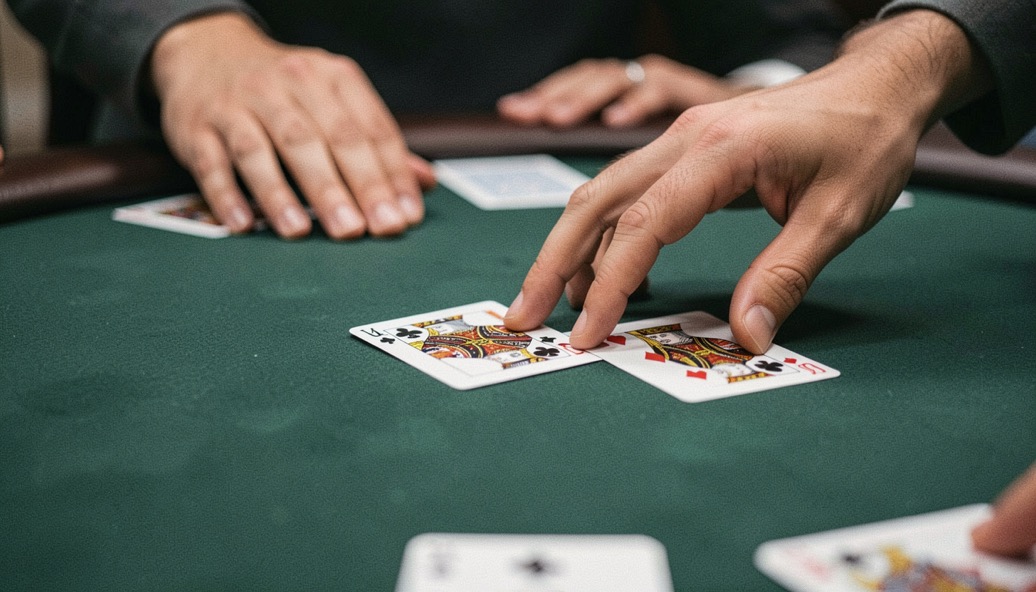
· Strategy Guides
Hearts strategy: the pass, voids and the moon
Hearts is a game of avoidance with one audacious exception, and both halves run through the same decision: what to pass before the first trick is played.
-
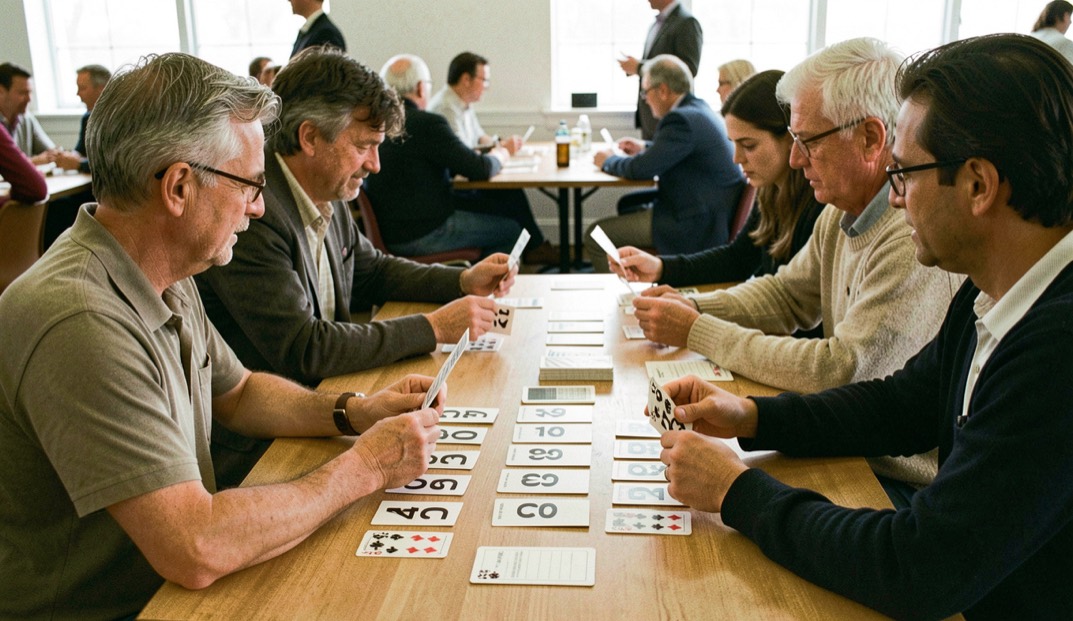
· Tournament Formats
How to run an euchre tournament night
The euchre tournament is the great American card party: partnerships change every round, points pile up on a tally card, and one player goes home the champion by eleven at night.
-
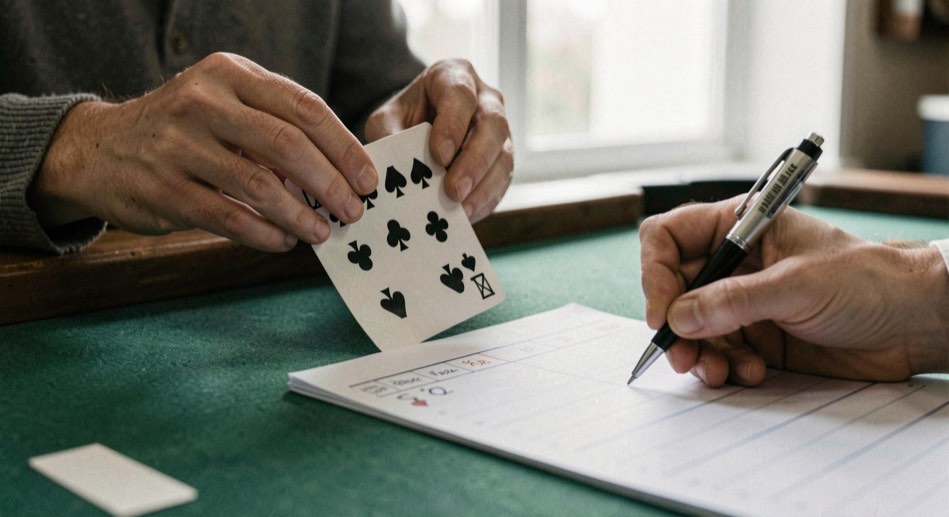
· Strategy Guides
Spades strategy: bidding counts and nil
Spades strategy lives in one habit: converting a thirteen card hand into an honest number before anyone leads, and knowing when the honest number is zero.
-
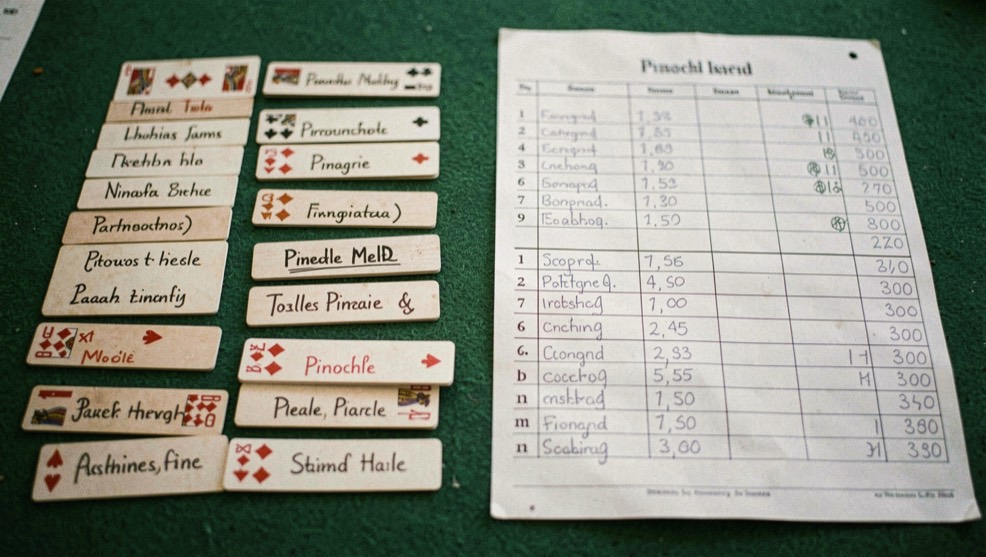
· Scoring & Sheets
Pinochle scoring: meld, tricks and the count
Pinochle scores in two books, meld first and tricks second, and a table that keeps both books cleanly never argues about anything but the bid.
-
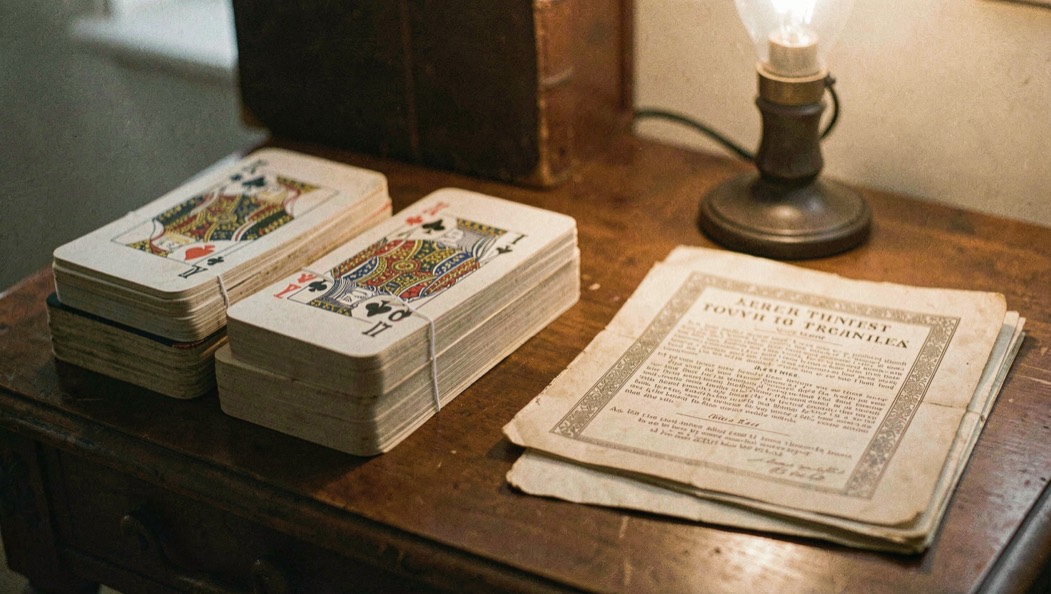
· Card Game History
Pinochle history: binocle crosses the ocean
Pinochle arrived in America as a French and German cousin of bezique and became, within two generations, the loudest game in the American parlor: meld shouted, counted, and written down.
-
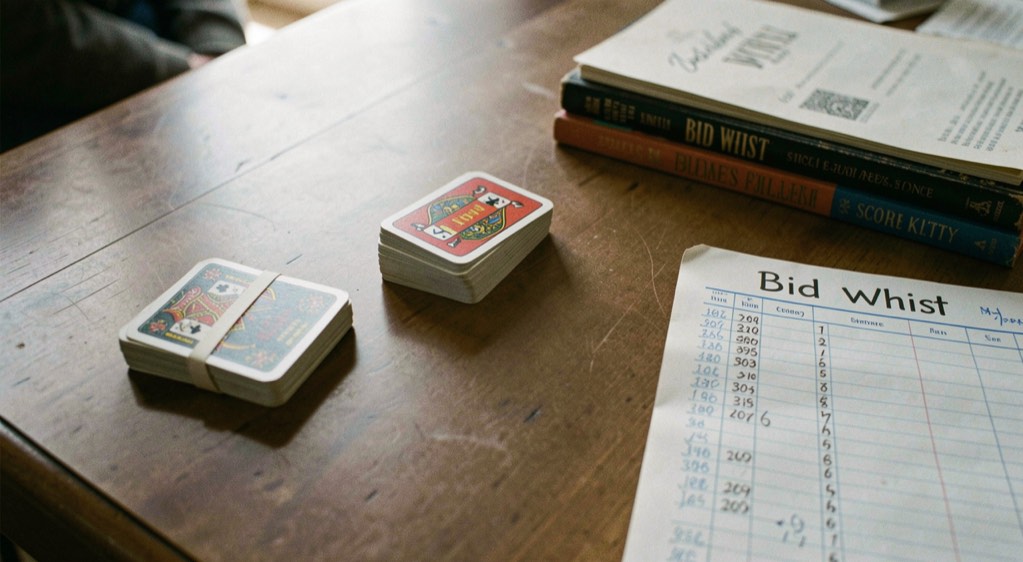
· Scoring & Sheets
Bid Whist scoring: books, Boston and the kitty
Bid Whist counts in books: six tricks belong to everyone, the rest are sold at auction, and the scoring turns each sold book into points the sheet can prove.
-
· Hosting Game Nights
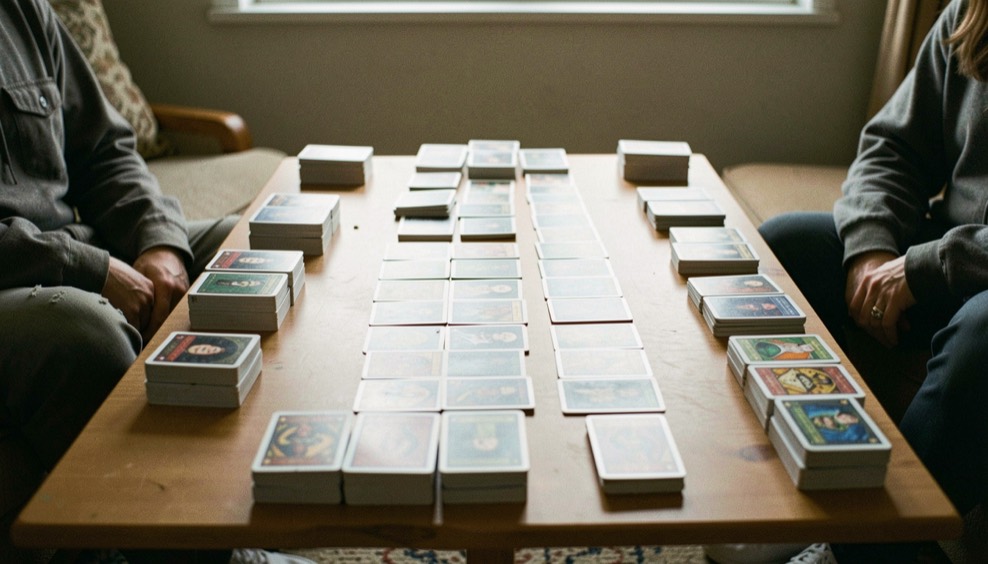
Hand and Foot: rules for the card night table
Hand and Foot is the loud cousin of canasta: two hands per player, four rounds of rising meld requirements, and the game most likely to turn a card night into an institution.
-
· Scoring & Sheets
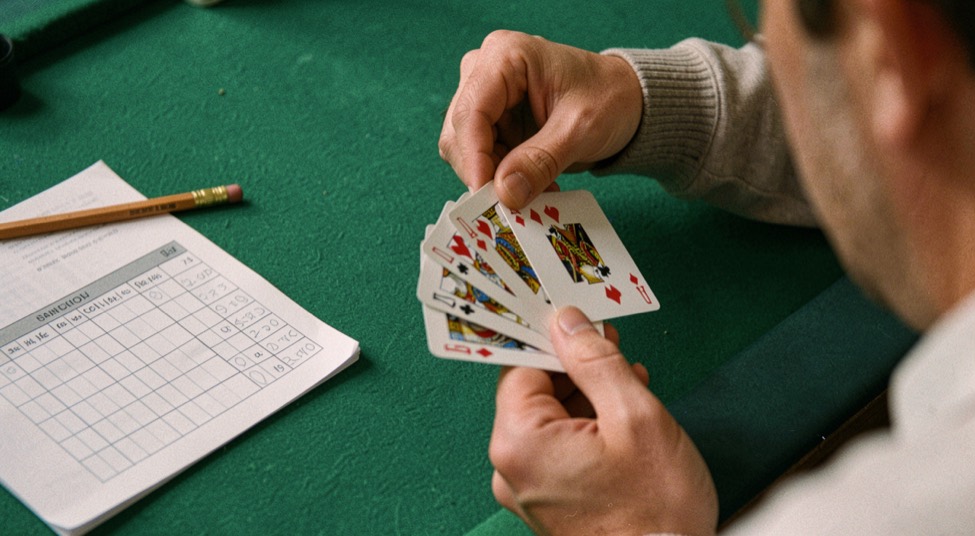
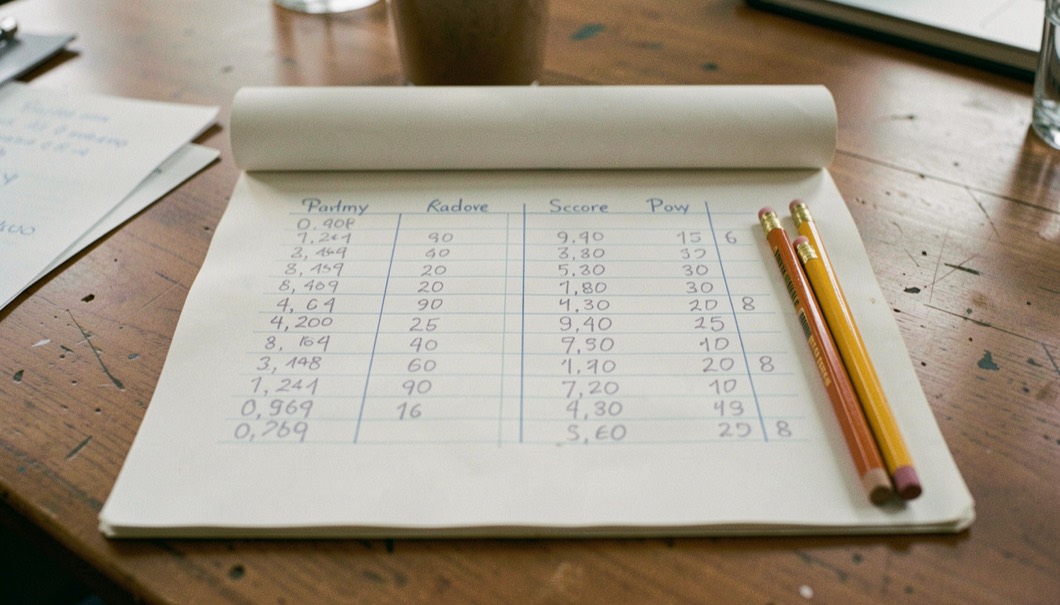
Score sheets that keep the game honest
Most card game arguments are scoring arguments, and scoring arguments die the moment the sheet is designed properly: one line per hand, one running total, no blanks.
-
· Card Game History
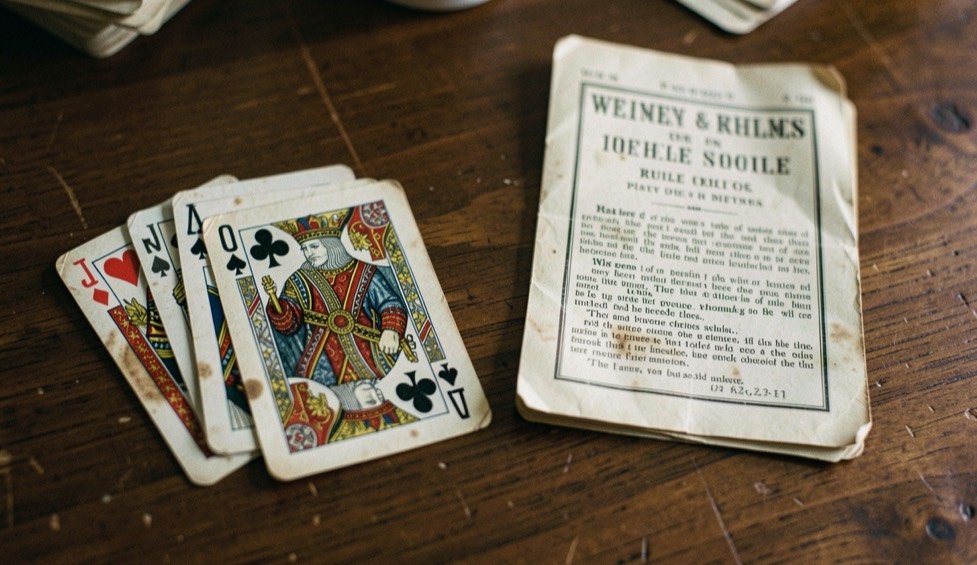
Euchre history: from the Rhine to the Midwest
Euchre is an immigrant game whose route can be traced in the printed record: from the Upper Rhine, through the Pennsylvania German country, up the Ohio and into every parlor in the Midwest.
-
Start with the rules: euchre dealt from the first card
The page the whole guide leans on: the 24 card deck, the bowers, making trump, going alone and the march, written so a first table plays within ten minutes.
Suite 01 · Game Rules
Grand Prix Tournaments keeps the banner of a tournament series first organized in 1999, reborn as a guide: the same games, the same rules, played now at kitchen tables instead of smoke-filled halls. Start from the about page if you want the house style, argue with the editorial policy if you must, and bring every scoring dispute straight to the Bid Whist guide, where books are counted properly.